
Internal Condoms
What's on this page?
- What is an internal condom
- How effective are internal condoms
- How do i use internal condoms
- How do I buy internal condoms
- What are advantages of internal condoms
- What are disadvantages of internal condoms
- What makes condoms unique compared to other contraceptive methods
- What are side effects of internal condoms
What is an internal condom
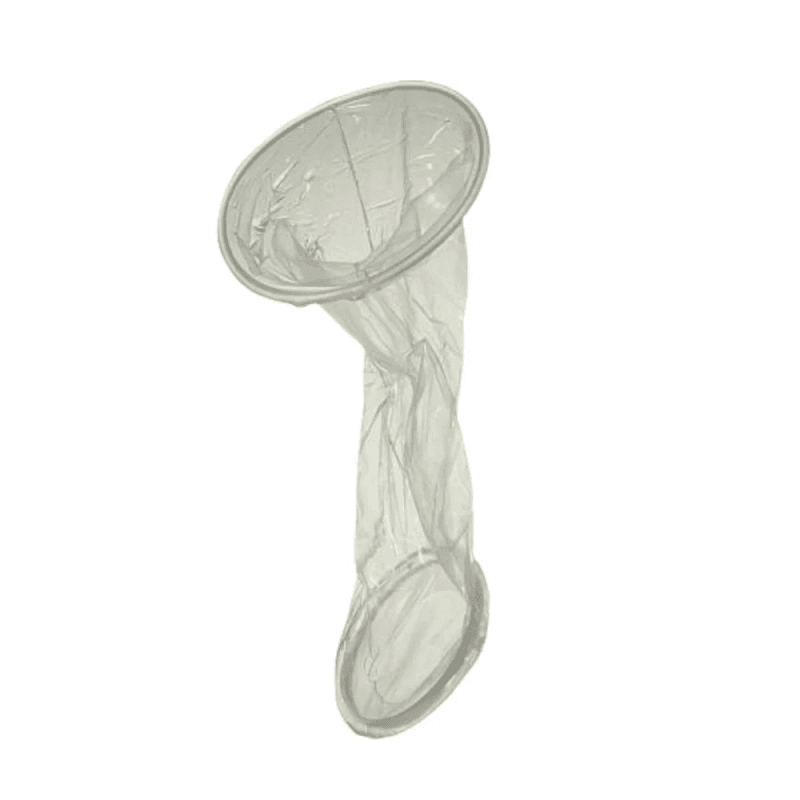
An internal condom is a soft, loose-fitting sheath made of polyurethane. It has two flexible rings: one at the closed end, which is inserted into the vagina to anchor it in place, and one at the open end, which remains outside the vagina to cover the vaginal opening and the base of the penis. Internal condoms act as a barrier to prevent pregnancy and reduce the risk of sexually transmitted infections (STIs). They can be inserted before intercourse, offering a more flexible option for those who cannot or prefer not to use external (male) condoms.
How effective are internal condoms
79%
How do i use internal condoms
It can be inserted into vagaina before the onset of sexual activity and
left in place after ejaculation has occurred. However it is
single use and must be disposed after each intercourse
How do I buy internal condoms
Obtain a prescription from your doctor or online and fill the prescription in a phrmacy
For more info, refer to manufacturer's website:
FC2.us.com
FC2.us.com
What are advantages of internal condoms
Might prevent STI transmission. Can be used by people with latex allergy (are made from nitrile). Have no contraindications for people with medical conditions. Doesn't require partner participation
What are disadvantages of internal condoms
Must be used everytime you have sex.
What makes condoms unique compared to other contraceptive methods
Similar to male condoms, this is the only method that prevents STI transmission; but evidence is limited for internal condoms.
What are side effects of internal condoms
If it is not used correctly, there is risk of STI or pregnancy. Some people might experience pain, discomfort, burning sensation, rash or itching.
*This guide offers general advice. Please consult your provider for personal recommendations.