
Condoms
What's on this page?
What are condoms
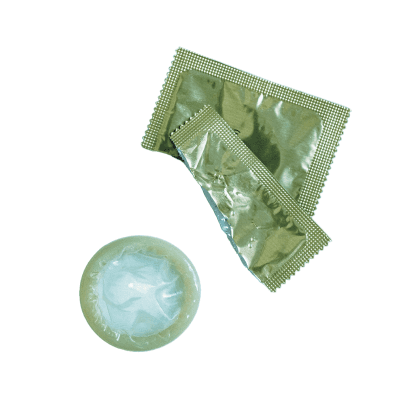
Condoms are thin, flexible barriers—usually made of latex or polyurethane—that cover the penis during sex. They help prevent pregnancy and reduce the risk of sexually transmitted infections (STIs) by blocking direct contact and the exchange of bodily fluids. External (male) condoms are worn over the penis, while internal (female) condoms are inserted into the vagina. Condoms are widely available, do not require a prescription, and can be used with other contraceptive methods for extra protection.
How effective are condoms
82-87%
How do i get condoms
Condoms can be bought from stores, pharmacies or online
They are widely available and require no prescription.
What are benefits of condoms
- Effective & Affordable: A low-cost method for preventing pregnancy.
- STI Protection: Reduces the risk of sexually transmitted infections (STIs).
- Extra Protection: Can be used with other contraceptive methods to lower STI risk.
- Few Medical Restrictions: Safe for most people, except those with latex allergies
- (hypoallergenic options are available).
- Easily Accessible: Available over the counter without a prescription.
- Simple to Use: No medical procedures or prescriptions required.
- Cancer Prevention: Lowers the risk of cervical cancer by preventing HPV transmission.
- Can increase intercourse duration: condoms reduce penis sensation which can help people with premature ejaculation. There are options available that have numbing agent and can further delay orgasm
What are disadvantages of condoms?
Must use every time you have sex requires partner’s cooperation. Some people may experience decreased sexual pleasure when using condoms must be worn correctly to be effective. There is a small chance of breakage and/or slippage.
What makes condoms unique compared to other contraceptive methods
Condoms are the only contraception method that is proven to prevents STI transmission
How do you use condoms
- Put it on before any contact – Apply the condom to an erect penis before touching the vagina or vulva.
- Leave space at the tip – Ensure about half an inch of space at the tip to collect semen.
- Roll it down fully – Unroll the condom all the way to the base of the penis
- Use lubricant if needed – Water-based lubricants can help prevent breakage (avoid oil-based ones such as Vaseline, which can weaken latex).
- After ejaculation, remove carefully – Hold the base while pulling out to prevent spills.
- Dispose properly – Wrap it in tissue and throw it in the trash. Never reuse a condom.
- Check before use – Do not use expired, damaged, or previously used condoms.
What are the side effects of condoms
Since most condoms are made from latex, people with latex allergy might have a reaction condoms from other materials such as polyurethane are available for these cases
Where can you get condoms
Condoms can be bought from stores, pharmacies or online.
They are widely available and require no prescription. You can also use CDC condom finder tool by entering your zipcode:Condom Finder Widget | National Prevention Information Network
*This guide offers general advice. Please consult your provider for personal recommendations.